An Exclusive Interview with Director Jasper Ku regarding his LGBTQ+ Film 'A Red Rose For My Love'
Hi Jasper, congratulations on your incredible achievement! We'd love to hear more about your journey as a filmmaker—Could you share a bit about your journey?
Thank you so much! I made short films in high school, took screenwriting courses at USC, and did the UCLA Extension film scoring program. This film is a culmination of everything I’ve learned.
"A Red Rose For My Love" explores a complex LGBTQ+ theme. What inspired you to tell this story through dance, and how did you approach capturing the emotions visually and musically?
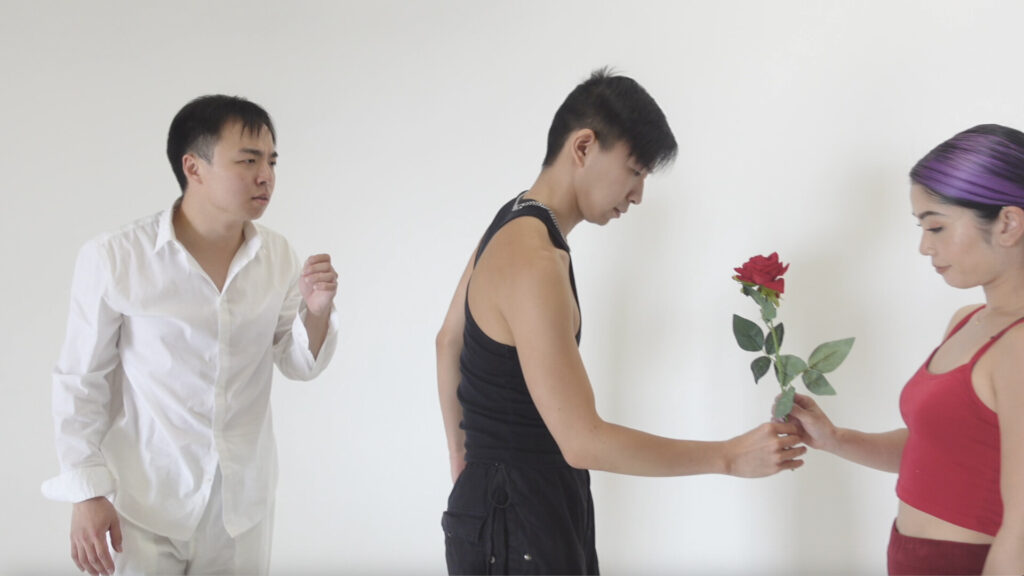
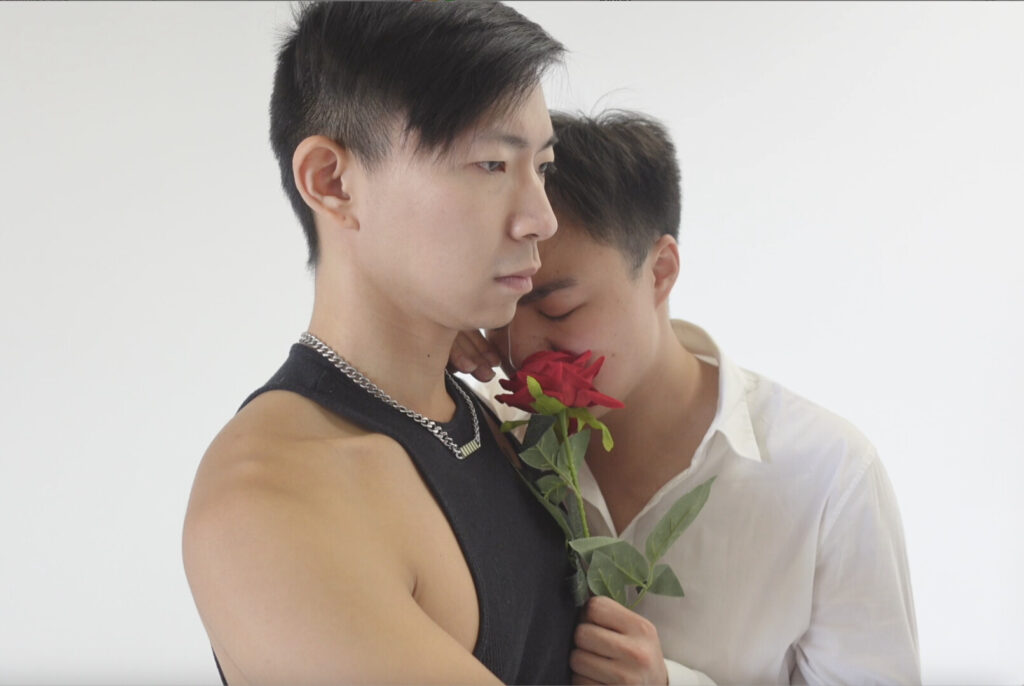
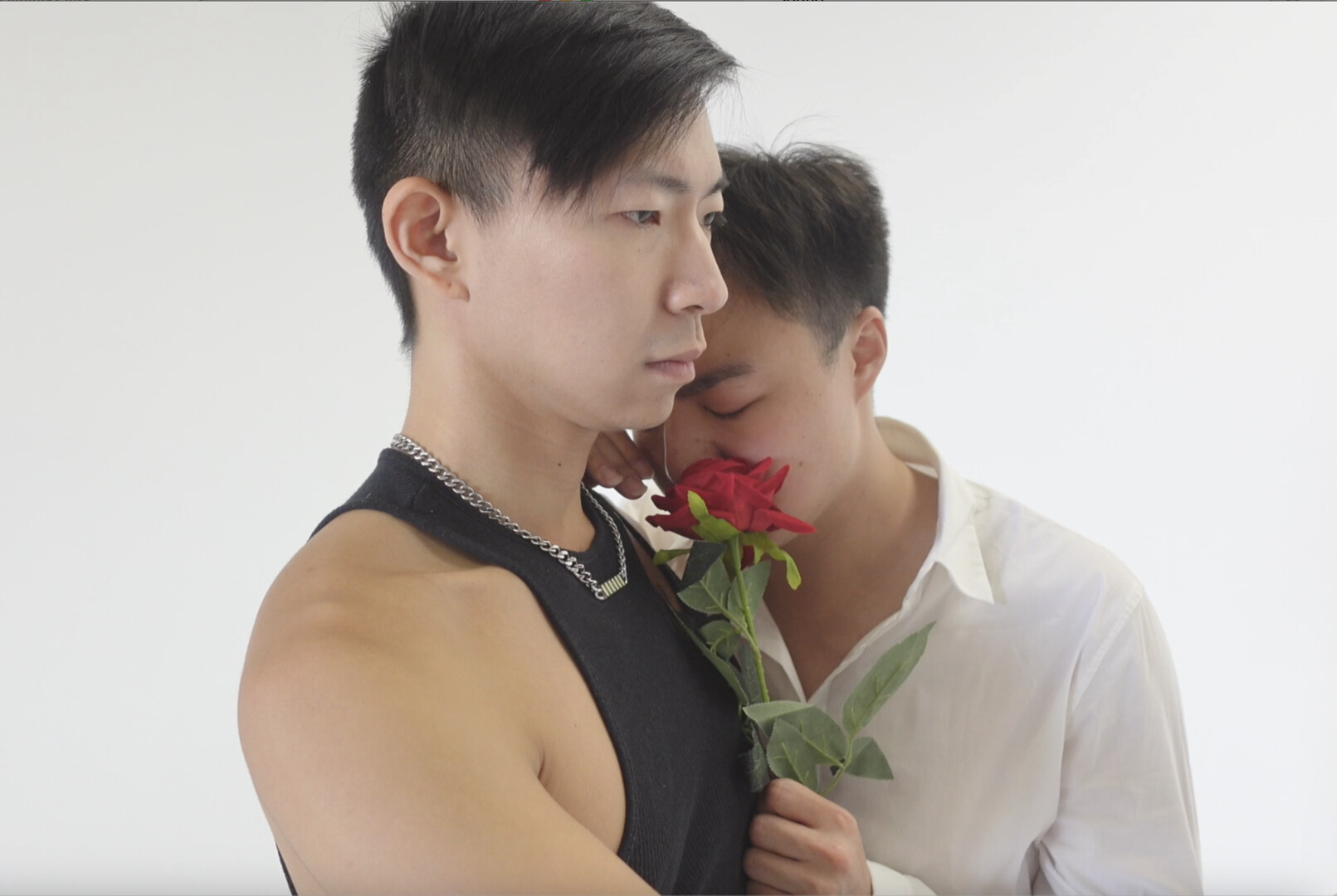
It just felt right: dance was always a big part of my life. As a composer I’ve always gravitated towards romantic music, and the choreography tells the love story on screen by re-creating physical interactions from my real life story that inspired this film.
As both a director and a composer, how did your classical music training influence the mood and tone of the film, especially in aligning the dance with the piano score?
My classical music training shaped my harmonic language and my sense of melody. The piano score came first before everything else, so aligning the choreography was mostly a matter of timing.
You’ve worked with co-director Yunni Lin on this project. What was the collaborative process like in directing a dance film together?
We’ve performed together on multiple occasions, so it made it easy for us to communicate our ideas with each other. I taught the choreography during rehearsals, and Yunni directed the camera during shooting.
Your film score for "A Red Rose For My Love" has won multiple awards. How did you balance your love for composers like Alexandre Desplat and Hans Zimmer while creating a unique musical identity for the film?
Having a love for the greats and creating a unique musical identity aren’t mutually exclusive. They influenced me in multiple ways(lyricism, sound design, etc.), but my music includes specific choices tailored to this story. That’s what makes it unique.
Being both a filmmaker and a dancer, how do you think your experience as a commercial dancer influenced the choreography and direction of the dance scenes in the film?
My experiences as a commercial dancer helped me a lot with directing: I don’t have much experience directing, but I knew how I wanted the movement to look like per my experience choreographing and performing.
You’ve worked across a range of genres, from concert music to film and visual arts. How do you adapt your composition process when scoring for different mediums, and what excites you most about scoring films?
Regardless of medium, I find a core musical idea that speaks to the project’s emotions. Then I develop that idea per the piece’s specifications: length, instrumentation, synchronization with performance/camera movement, etc. Scoring films always pushes me out of my comfort zone. Almost every film I’ve scored is from a different genre. Even scoring films in the same genre presents different challenges and learning experiences: every story is different, and the music should reflect that.
Who would you like to acknowledge and credit for the success of this project?
To all the crew members who made this film happen and all the film festivals that gave this film recognition, thank you so much. This project could not have gotten here without any of you. And thank you, as well, for this amazing interview.
Given your experiences in dance and film, what advice would you give to young filmmakers and composers who want to merge these art forms in storytelling?
If you feel like trying it, just do it. You learn by doing.
Are you working on any future projects that explore similar themes or use similar experimental techniques? What can your audience expect next?
I’m working on a dance film with a similar vibe, and I’m scoring independent/student short films as well.
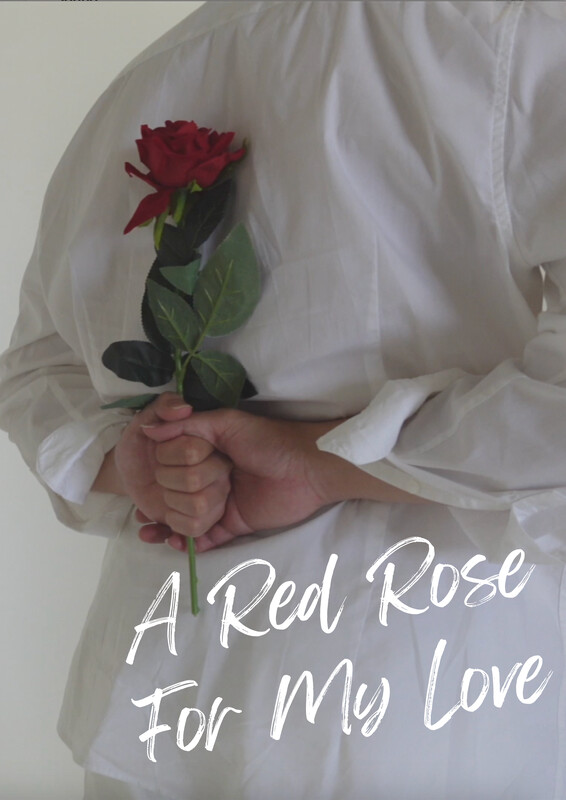
A Red Rose For My Love
A tale as old as time: When a homosexual falls in love with a heterosexual.